The Quiet Rebuild: Why Regional Venues Still Hold Everything Together
It wasn’t dramatic. No one stormed out, no grand speeches, no violins playing in the corner. Just a room full of people who’ve been around music long enough to recognise a feeling when it lands.
You know that slight pause in a conversation when everyone clocks the same thing at once?
That.
The sense that something’s under strain. Not collapsing, not yet. But definitely creaking in places it didn’t used to.
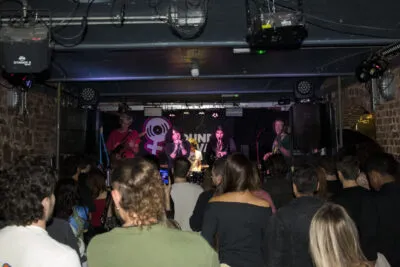
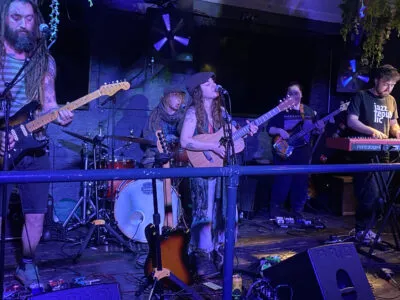
Start with the venues, because they form the foundation of the music ecosystem, whether the wider industry admits it or not. These are the small rooms with sticky floors and dodgy wiring, the places where someone plays to twelve people and still remembers it years later. They’re running on margins so thin you could lose them in a strong breeze, some barely turning a profit, many not at all. Live music itself often costs them money.
Which is a strange way to run a music venue, when you think about it.
And yet they carry on. Not because it makes sense on a spreadsheet, but because it makes sense in the gut. Cultural stubbornness. A bit of madness. A lot of love.
The odd thing is, everyone relies on them. Every artist worth their salt has passed through those rooms. First gig, first tour, first moment where a stranger actually listens. Take that away, and the whole ladder above it starts wobbling.
People know this. The government has started saying it out loud. Still feels like acknowledgement hasn’t quite caught up with reality.
Then there’s touring. Used to be the engine. Get in a van, play everywhere that’ll have you, build something brick by brick. Now it’s more like pushing that van uphill with the handbrake on. Fuel, hotels, gear, crew. All climbing. Meanwhile, audiences are watching their own wallets.
So you end up with this squeeze where nobody’s quite sure where the breathing space went. Artists earn less. Venues are taking bigger risks. Everyone is quietly wondering how long that can hold.
Around the edges, the bits that used to make scenes feel alive have thinned out a touch. The late-night food spots, the friendly faces, the loose network of people who made things happen without needing a formal title. Not gone, just… less sturdy. Like a fabric that’s been washed too many times.
And then there’s connection. Not just bums on seats, but that feeling that something belongs to you. That the band on stage isn’t just content passing through, but part of your patch. That’s not something you fix with better posters or smarter ads. It’s deeper than that.
Out beyond the big cities, the geography doesn’t help. Distances stretch. Tours skip places. Audiences scatter. The South West knows the dance well. Plenty of talent. Plenty of appetite. Just needs a bit more intention to join the dots. This can inspire confidence that regional efforts are vital and achievable.
But here’s the thing. For all the weight in the room, there was something else sitting alongside it.
A kind of stubborn belief.