A near sell-out crowd, a 2 Tone mood and Pauline Black’s commanding presence made for a memorable night in Exeter.
The Selecter need no introduction; they are a band that have been performing for 47 years now. Similarly, Exeter Phoenix is the most iconic venue in Exeter, and if you haven’t been, you need to go! There are many different spaces, with the main auditorium holding 450 people standing. Above, there is seating, but I always love standing so I can dance.
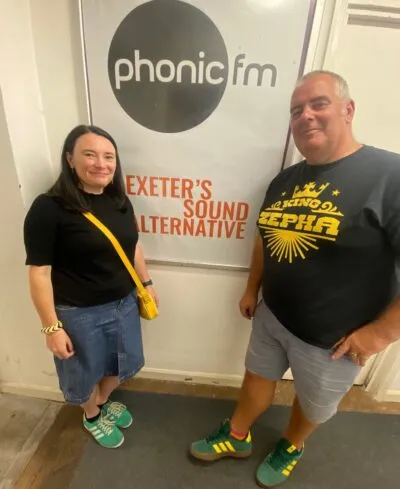
With the venue nearly sold out and the bar already warmed up by Phonic Jim’s DJ set, the audience was in high spirits before the band even appeared. DJ Tani was on the stage playing ska, 2tone and reggae. The crowd looked the part: mod and ska styles, with 2-tone clothing still popular.
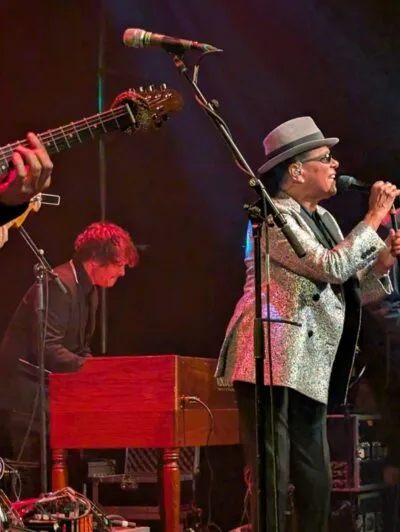
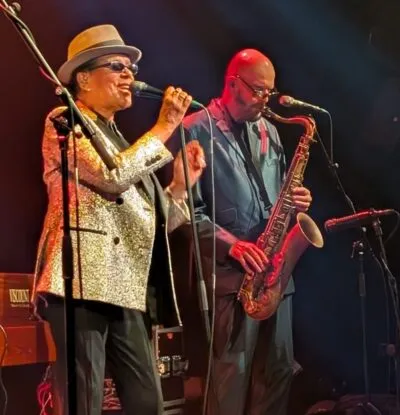
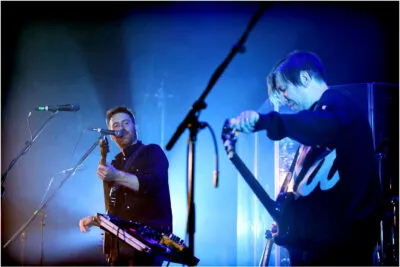
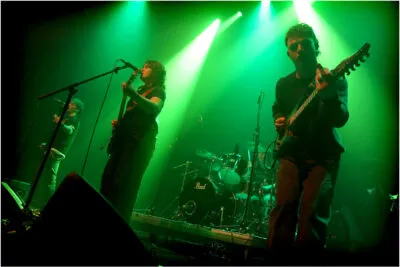
On stage, the line-up was full with two guitarists, saxophone, a Hammond organ, drums and, at the centre of it all, Pauline Black. Now 72, Pauline looked and sounded remarkable, carrying the performance with poise, bite and humour. The presence of the original drummer added another thread of history to the evening, but this never felt like a museum piece. The band were alive in the room, alert to the audience, and clearly still pushing forward, with a new album in the mix.
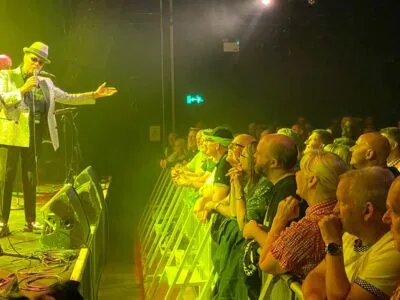
Pauline’s rapport with the crowd was one of the show’s highlights. When she spotted someone wearing a T-shirt reading “Love Music Hate Racism”, she picked it out and used the moment to reflect on changing politics in the UK.
There were lighter, stranger moments too. At one point, someone in the audience appeared to have brought along a 2-tone painted skull — possibly containing the ashes of someone called Steve. Pauline seemed briefly unsure how to respond to the shouting around it, but handled it with quick wit, asking whether Steve was enjoying himself.
Pauline knew exactly when to command the stage and when to hand the energy back to the audience. At one point she teased the crowd with the challenge, “If you want to hear more, shout now,” and they needed little encouragement.
If there was one missed opportunity, it was the absence of a support band. For a night with this much local enthusiasm, a young Exeter or Devon act could have benefited hugely from opening for a crowd. When asked about it afterwards, Pauline said that decision was down to the promoter. I also asked what advice Pauline would give to someone wanting to front a band – the answer was to have a message for people.
That post-show exchange also said a lot about the evening. Pauline stayed for ages afterwards, signing things and posing for photos with everyone who wanted a moment with her. It reinforced what had been obvious throughout the night: The Selecter are not simply trading on nostalgia. They remain connected to their audience, to the politics around the music and to the joy of a room full of people moving together. At Exeter Phoenix, that combination still felt powerful.